
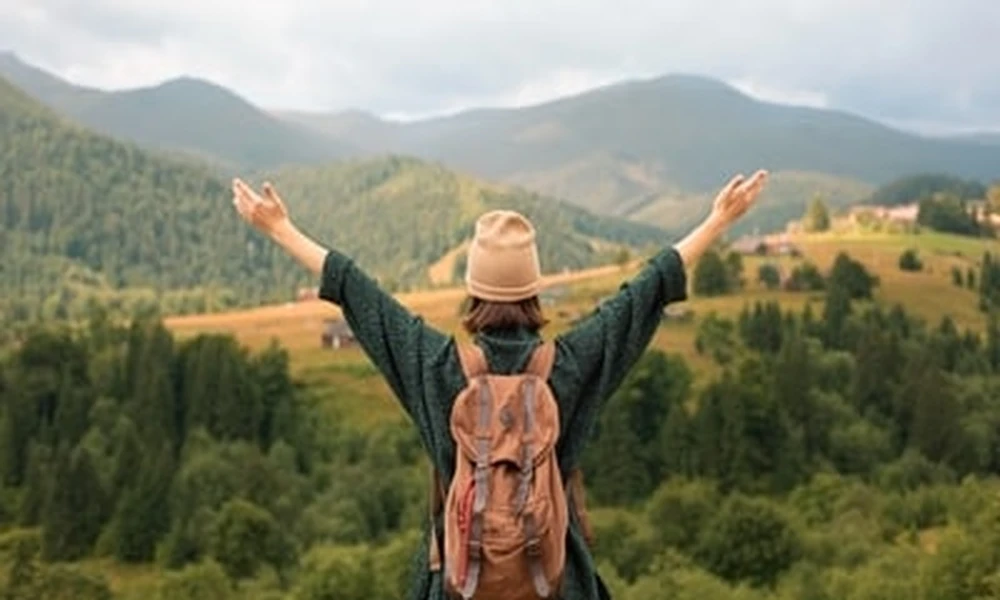
A vacation in the outdoors can be as simple as a weekend at a lakeside campground or as ambitious as a week of hiking between mountain towns. The best trips usually have one thing in common: they leave room to enjoy the place, not just rush through a list of sights. A little planning around your destination, activity level, and impact can make a nature-focused getaway more relaxing and memorable.
Choose a setting that suits your trip
Start with the kind of landscape you want to experience. Forests offer shade, quiet trails, and opportunities to spot birds and other wildlife. Lakes and coastlines make room for swimming, paddling, or simply spending time by the water. Mountain destinations can bring dramatic views and challenging hikes, while deserts reward travelers with wide-open scenery and clear night skies.
Think about who is coming and what they enjoy before settling on a location. A remote trail may be appealing to experienced hikers but frustrating for a group that would rather take short walks and relax at camp. Look at trail distances, elevation, road access, and nearby facilities. If you are traveling with children or someone with limited mobility, check whether there are accessible paths, restrooms, and easy ways to reach key viewpoints.
Build a flexible itinerary
It can be tempting to plan every hour, especially when a destination has several famous attractions. But outdoor conditions can change quickly. Rain, heat, wildfire restrictions, crowded trailheads, or a slower-than-expected hike may alter the day. Choose a few priorities and keep alternative plans in mind.
- Plan one main activity each day. A long hike, a paddle, or a scenic drive can be enough. Leave time for meals and rest.
- Check local conditions. Review park alerts, weather forecasts, road closures, and any permit requirements before setting out.
- Keep a nearby backup. A visitor center, short nature trail, or sheltered picnic area can help if the weather turns.
- Allow time to arrive. Long drives and unfamiliar roads can make the first day tiring, so avoid scheduling a demanding outing immediately after check-in.
Booking ahead is useful in busy seasons, when campgrounds and popular activities may fill up. At the same time, avoid locking every meal and excursion into a strict schedule. Flexibility helps you take advantage of a quiet morning or linger somewhere you enjoy.
Pack for comfort and changing weather
Good preparation does not require bringing everything you own. Check the forecast and pack layers that can handle shifts in temperature, wind, or rain. Comfortable footwear matters even if you are not planning a strenuous trek; uneven paths and long days on your feet can make unsuitable shoes a problem.
Bring enough water for the activities you have planned, along with snacks, sun protection, and a small first-aid kit. If you are camping, make sure your sleeping setup matches expected nighttime temperatures. Keep a paper map or an offline navigation option available, since mobile coverage can be unreliable in remote places. For any activity such as boating or climbing, use appropriate equipment and follow local safety guidance.
Prepare your body for active days
Travel often involves more walking than an ordinary week at home. If your plans include steep trails or carrying a loaded pack, build up gradually beforehand with regular walks and simple exercises for your legs, core, and balance. You do not need to turn a vacation into a training program; the aim is to feel comfortable enough to enjoy the day and reduce the chance that fatigue will cut it short.
People new to strength work may want guidance tailored to their goals. A personal trainer for strength training can help someone understand suitable exercises and how to progress safely. Osdire’s guide to trainer costs explains common pricing arrangements and factors to consider when hiring, which can be useful when comparing options before committing.
Travel thoughtfully in natural places
Outdoor destinations are not just scenery; they are habitats and, often, places where people live and work. Stay on marked trails to protect plants and prevent erosion. Pack out rubbish, keep food secured where wildlife rules require it, and give animals room rather than approaching for a photograph. Follow fire restrictions and use established sites for cooking or campfires.
Respect local customs and regulations, including rules about swimming, dogs, drones, and collecting natural objects. Choosing locally run accommodation, guides, and businesses can also help more of your travel spending support the community. Small decisions like these make it easier for visitors and residents to share a place responsibly.
Bring the experience home
After the trip, take a moment to note what worked and what you would change next time. You might discover that a slower itinerary was more enjoyable, or that an extra layer made a cool evening much better. Sharing practical observations can help other travelers plan more responsibly. Writers looking for relevant places to publish nature and environmental stories can explore nature guest posting websites as one way to find publications with an interested readership.
A rewarding nature vacation does not depend on reaching the most remote campsite or completing the hardest trail. Choose a setting that fits your group, prepare for the conditions, and leave enough space to notice what is around you. That combination makes it easier to return rested, with good memories and a lighter footprint.
