
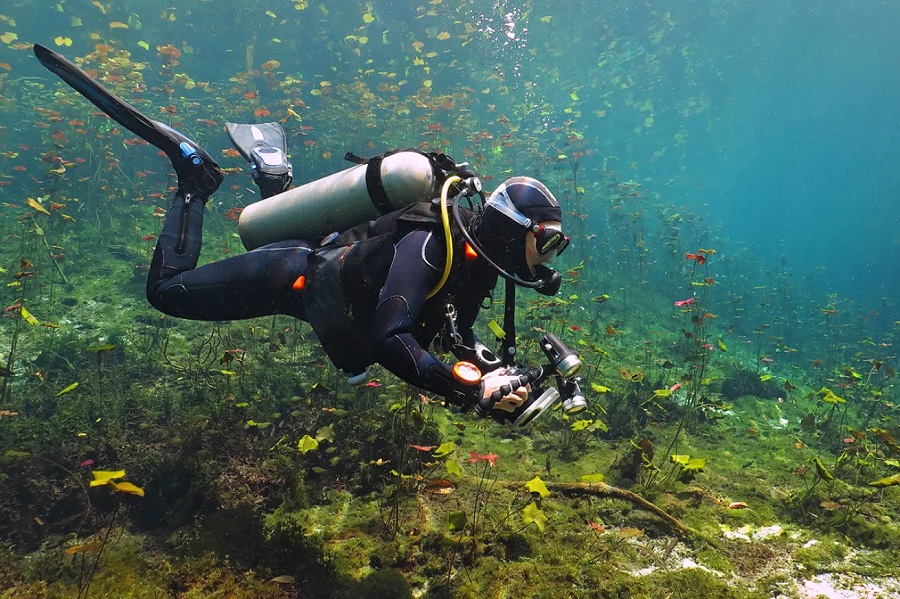
So you’ve decided you want to explore the ocean. Maybe you saw something breathtaking on a nature documentary, or a friend came back from a tropical trip raving about their dives. And you’re now googling scuba diving costs, and you’re probably seeing a wildly different range of numbers. Don’t worry — that confusion is completely normal, and this article is here to clear it all up.
Let’s be upfront: the price of getting scuba certified isn’t one-size-fits-all. A course can cost anywhere from $300 to well over $1,000 depending on where you train, what’s included, and the gear situation. But once you understand what goes into that number, it all starts to make sense.
The Core Course Fee
Most beginner programs — like the PADI Open Water Diver course, the most popular entry-level certification in the world — are divided into three main parts: theory or knowledge development, confined water training (usually a pool), and four open water dives in a real dive environment.
The academic portion is often handled through eLearning, which you can do at home before you ever touch the water. After that, you’ll have a pool and open water training. Add it all together and a basic course-only package often lands between $500 and $1500 before any gear is factored in.
The Gear Factor
Here’s where things get interesting. Most dive centers require you to bring your own basic personal equipment — a properly fitted mask, fins, snorkel, and wetsuit boots — to ensure comfort and hygiene. Budget around $200–$300 for quality versions of these. If you go the cheap route, you risk an uncomfortable certification experience that puts you off diving entirely.
Tanks, BCDs (buoyancy control devices), and regulators are typically included in course rentals, so you don’t need to buy those right away. If you decide to invest in a full gear setup later, you’re looking at $1,000 or more — but that’s a decision you can defer until after certification.
Location Changes Everything
Where you get certified makes a big difference to the total scuba diving cost. Getting certified locally in the US — say, in a landlocked state with quarry dives — is typically less expensive than doing it in Hawaii or the Florida Keys. On the other hand, some divers choose to combine certification with a tropical vacation. In places like the Caribbean or Southeast Asia, full packages (including accommodations and dives) can sometimes run cheaper than a stateside course, especially when travel is already planned.
Group vs. Private Lessons
Another big variable is class format. Group sessions are almost always more affordable. Private instruction is fantastic if you’re nervous or learn better one-on-one, but it significantly adds to the bill — some dive centers charge more for private open water instruction.
What You’re Actually Paying For
It’s worth pausing to put the cost in perspective. A scuba certification is good for life — you’ll never need to renew it. Once certified, the main ongoing expenses are tank rentals and getting to dive sites, both of which are very manageable. The certification itself is a one-time investment that opens up an entirely different world — quite literally two-thirds of the planet’s surface.
When you compare it to learning to ski, surf, or kiteboard, scuba certification is remarkably good value for the skill and access you gain. Budget realistically, ask the right questions, and find an instructor who prioritizes quality — and your certification will be money very well spent.
