
The difference between a stressful, cramped intercity ride and a smooth, comfortable journey often comes down to how you handle your luggage. Whether you are carpooling between Quebec City and Montreal or joining a longer adventure, how and what you pack can transform the experience for everyone in the vehicle.
Comparing Luggage Organization Styles for Intercity Travel
Packing for a carpool is not the same as packing for a flight or a solo drive. The shared nature of a car means limited space and a need for courtesy, which makes your choice of luggage style more important than ever.
Minimalist Packing vs. Bringing Everything You Might Need
Travelers tend to fall into two camps: the minimalists, who bring only the essentials, and the “just-in-case” packers, who prepare for every scenario. Minimalism means less to carry, smoother loading, and more shared space. On the other hand, overpacking can lead to frustration and awkward reshuffling at pickup points. If you are not sure which approach works best, consider the route and ride duration, plus the preferences of your fellow passengers. In most intercity rideshares, less is definitely more.
Soft Bags vs. Hard Shell Suitcases: Pros and Cons for Carpooling
Soft bags are flexible and can be squeezed into tight spaces, making them ideal for car trunks that may already be half-full. Hard shell suitcases, while protective, can be awkward in a car’s limited cargo area. Here is a quick comparison:
| Luggage Type | Space Efficiency | Protection | Ease of Handling |
|——————|—————–|————|——————|
| Soft Bag | High | Moderate | Easy |
| Hard Shell Case | Low | High | Awkward |
Soft bags nearly always win on flexibility. If you must use a hard shell, choose the smallest size you can manage.
Compact Backpacks vs. Wheeled Bags: Mobility and Space Efficiency
Backpacks are easy to carry and fit well on laps or under seats but may not offer much structure for fragile items. Wheeled bags are great on smooth surfaces but can be a hassle if the car trunk is already full or oddly shaped. For short walks to meeting points, a backpack is often simpler, while a small wheeled bag makes sense for those carrying heavier loads.
Approaches to Loading and Storing Luggage in Shared Vehicles
The moment of loading up is when good intentions are put to the test. Strategic placement makes a huge difference for both comfort and safety.
Strategic Placement: Maximizing Space Without Disrupting Passenger Comfort
Start by loading the bulkiest items first, placing them at the far end of the trunk. Lighter, smaller bags can be stacked on top or tucked into gaps. Make sure no luggage blocks the rear window or encroaches on legroom. If possible, discuss your plan with the driver before you start.
Using Car Trunk vs. Rear Seat Space: Safety and Convenience Considerations
The trunk is safest for most bags, especially hard cases or heavy items that could become projectiles in a sudden stop. Only light, essential personal items should stay in the passenger area. Avoid stacking bags so high that they reduce visibility for the driver.
Managing Luggage When Riding with Multiple Passengers
When several people share a ride, communication is key. Clarify who is bringing what ahead of time and be flexible if last-minute changes pop up. It is common courtesy to take turns offering the trunk or prime seat space when the group rotates.
Booking and Communication Practices to Streamline Luggage Handling
Prevent confusion by setting expectations before you even get in the car.
Sharing Luggage Information Before the Trip: How Much and What Type?
Most carpooling platforms, such as Covoiturage AmigoExpress, allow you to specify the size and number of bags. Use this feature honestly, no one likes surprises at the curb.
Coordinating Loading Times and Meeting Points for Smooth Transitions
Arriving early, especially if you have a lot of luggage, gives you first pick of trunk space and prevents delays. Share your ETA and luggage details in the group chat, and confirm the pickup location to avoid last-minute confusion.
Setting Expectations: Discussing Luggage Limits and Handling Responsibilities
Before the trip, agree on who is responsible for loading and unloading. It is also wise to clarify limits on the number or size of bags, especially on busy routes or with smaller vehicles.
Comfort Priorities During Intercity Carpools
A comfortable ride is not just about seating, it is about personal space and having essentials within reach.
Seating Selection: Balancing Legroom and Accessibility to Luggage
Those with larger bags may need to sit where they can access them quickly, while others may prioritize legroom. Shuffle seats based on need and preference.
Temperature, Noise, and Privacy: Comparing Different Carpool Setups
Some vehicles are quieter or have better climate control, which can matter on longer rides. Discuss preferences with your driver and co-riders, especially if someone wants to nap or tune out with headphones.
Managing Personal Items vs. Bulk Luggage in the Passenger Area
Keep just the essentials, snacks, chargers, a book, within arm’s reach. Store the rest in the trunk to maximize space for everyone.
Safety and Trust in Handling Luggage on Long-Distance Rides
Trust is the foundation of carpooling. Review-driven platforms help, but practical steps also reduce risk.
Securing Valuables: Personal vs. Shared Responsibility
Always keep wallets, passports, and electronics with you, never in the trunk. For larger valuables, consider a lock or an identifiable tag.
Approaches to Avoid Damage or Loss: Lockers, Tags, and Labeling
Label each bag with your contact info. Use durable tags and avoid bringing fragile items unless absolutely necessary.
Establishing Trust: How Platform Rules and Reviews Influence Luggage Care
Choose platforms with established review systems to gauge a driver’s reliability. Trust grows with transparency and consistent positive experiences.
Environmental and Cost Considerations Related to Luggage Choices
Smarter packing does not just mean less hassle, it can save money and help the planet.
How Luggage Weight and Size Impact Fuel Efficiency in Carpools
Overpacking adds weight, which increases fuel consumption. A lighter car is a greener car, and possibly a cheaper trip for everyone.
Choosing Sustainable Bags and Packing Methods for Eco-Friendly Travel
Opt for reusable bags and avoid single-use plastics. Packing lighter also means you are contributing less to carbon emissions.
Cost Benefits of Packing Smartly: Avoiding Fees and Reducing Hassles
Packing efficiently can sometimes reduce ride costs, especially if the driver sets fees based on luggage size. More room in the trunk might mean more passengers, splitting costs further.
Practical Tips and Tools to Enhance Luggage Organization and Comfort
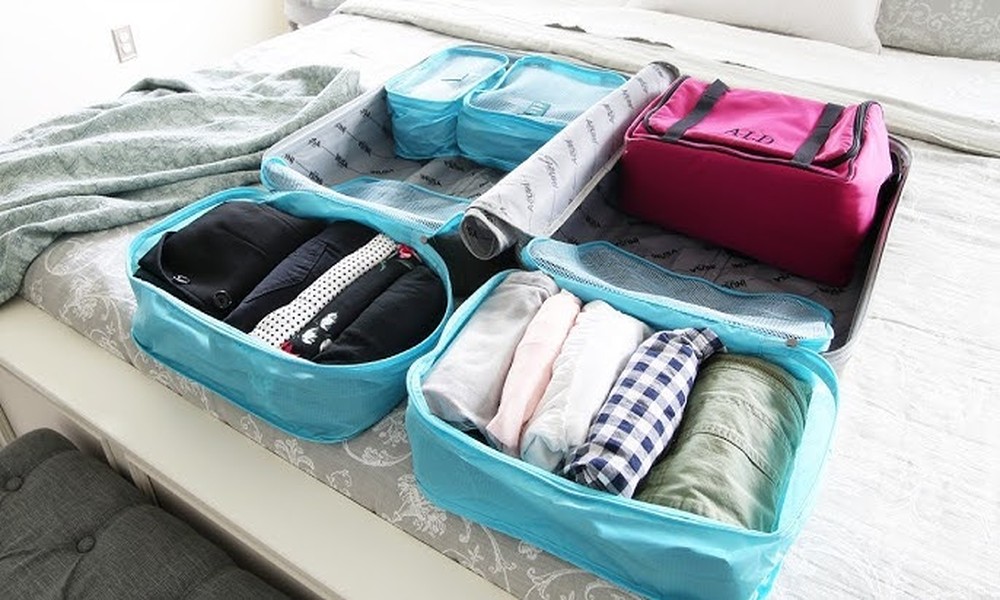
– Packing cubes: Separate clean clothes from shoes or toiletries.
– Compression bags: Shrink bulky items and free up space.
– Travel organizers: Keep chargers, snacks, and essential documents at hand.
Many carpooling apps now let you add baggage notes, upload photos, or coordinate group chats to streamline logistics. If plans change last minute, roll clothes instead of folding, or stash surplus items in a smaller tote for easier reshuffling. The more adaptable your packing, the smoother the ride, no matter who you are sharing it with.
